
+86-15712686880 / +86-576-82424800


Vistas:0 Autor:Editor del sitio Hora de publicación: 2026-06-03 Origen:Sitio


A fan coil unit (FCU) is fundamentally a localized terminal device utilizing a fan and a heat exchange coil to condition a specific space. Facility engineers deploy them everywhere from boutique hotels to massive commercial complexes. These units quietly manipulate local air temperatures to keep building occupants comfortable. Mechanically, they remain quite simple to understand. However, specifying the wrong unit leads to elevated maintenance costs, poor acoustic environments, and inefficient energy consumption. Ignoring the strict architectural constraints of your building geometry ruins overall system performance.
This guide transitions from basic mechanics to a rigorous specification framework for commercial and high-end residential applications. We will explore how different physical configurations strictly dictate architectural impact and daily maintenance workflows. You will learn to confidently evaluate acoustic ratings and modern motor technology for an optimized setup. By understanding these components deeply, you ensure maximum comfort and long-term reliability across any facility layout.
FCUs function as standalone terminal units treating local zones, distinct from large-scale central Air Handling Units (AHUs).
Configuration choices (e.g., concealed ducted vs. exposed console) heavily dictate architectural impact and maintenance workflows.
Modern evaluations hinge on acoustic performance (NC ratings), motor efficiency (EC vs. AC motors), and condensate management reliability.
Proper implementation requires pairing the FCU with a Dedicated Outside Air System (DOAS) if fresh air ventilation is a strict compliance requirement.
Every fan coil operates using a few essential internal components. We can break down the anatomy to understand how it conditions local zones. The simplicity of this design ensures easy repairs and straightforward operation.
Heating and Cooling Coil: This represents the core heat exchanger. Manufacturers build these using copper tubes surrounded by aluminum fins to maximize surface area.
Internal Fan: A centrifugal blower actively pulls room air across the coil surface. It then pushes the conditioned air back into the occupied zone.
Air Filter: A basic mesh filter sits before the coil. It captures airborne dust, protecting internal mechanisms from debris buildup over time.
Condensate Pan: This tray catches moisture condensing on the cold coil during summer operation. A dedicated drain line then safely removes this water.
Heat transfer inside these units relies entirely on a central plant. A central chiller or boiler supplies hydronic water to the building. Water travels through a network of pipes directly to each local terminal. The internal fan pulls warm room air across the cold, water-filled copper tubes. Heat naturally moves from the warm air into the chilled water. The fan then pushes the newly cooled air out. During winter, the process reverses completely. Hot water from a boiler warms the incoming cool air before distributing it.
The piping arrangement dictates your seasonal flexibility. Engineers typically specify either a 2-pipe or a 4-pipe configuration based on overall building demands. A 2-pipe system utilizes a single coil. It handles either heating or cooling, demanding a manual seasonal switchover for the entire building. A 4-pipe system features separate heating and cooling coils. It allows simultaneous, independent zone control. One room can heat while the adjacent room cools.
Hydronic System Comparison Chart
System Type | Coil Configuration | Simultaneous Heating/Cooling | Installation Complexity | Ideal Application |
|---|---|---|---|---|
2-Pipe System | Single Coil | No (Requires seasonal switchover) | Lower | Small offices, residential buildings |
4-Pipe System | Dual Coils | Yes (Fully independent zones) | Higher | Luxury hotels, modern hospitals |
Architectural constraints heavily dictate the final equipment choice. Concealed units hide completely within drop ceilings, closets, or raised floors. They require discreet grilles to distribute air. This approach preserves interior design aesthetics. Exposed units remain fully visible inside the conditioned space. We often see these in older building retrofits. Exposed consoles sit near the floor against perimeter walls. They usually feature durable, attractive metal casings to blend into the room decor.
Sometimes you need one robust device to manage several tight spaces simultaneously. A well-designed ducted HVAC fan coil unit serves multiple adjacent rooms easily. Installers hide these units inside the ceiling plenum. They attach short-run ductwork to distribute air into separate zones. This setup requires a high-static pressure fan to push air through the resistance of the ducts. It proves highly effective for hotel suites featuring separate sleeping and living areas.
Space limitations frequently force engineers to rethink traditional placements. When wall real estate remains tight or plenums are exceptionally shallow, a ceiling floor fan coil unit offers unmatched versatility. You can mount these devices horizontally against the ceiling or vertically against the floor. Their slim profile makes them ideal for tricky retrofits. This flexibility ensures you can add robust climate control to older structures lacking modern mechanical spaces.
Ductless variations provide modular add-ons for specific zones. Ceiling cassette units sit flush within a standard drop ceiling grid. They blow conditioned air in four directions for excellent coverage. Wall-mounted units look similar to residential split systems. You mount them high on a wall. Both options offer quick installation. They eliminate the need for extensive ductwork. Facility managers love them for cooling independent server rooms or small lobbies.
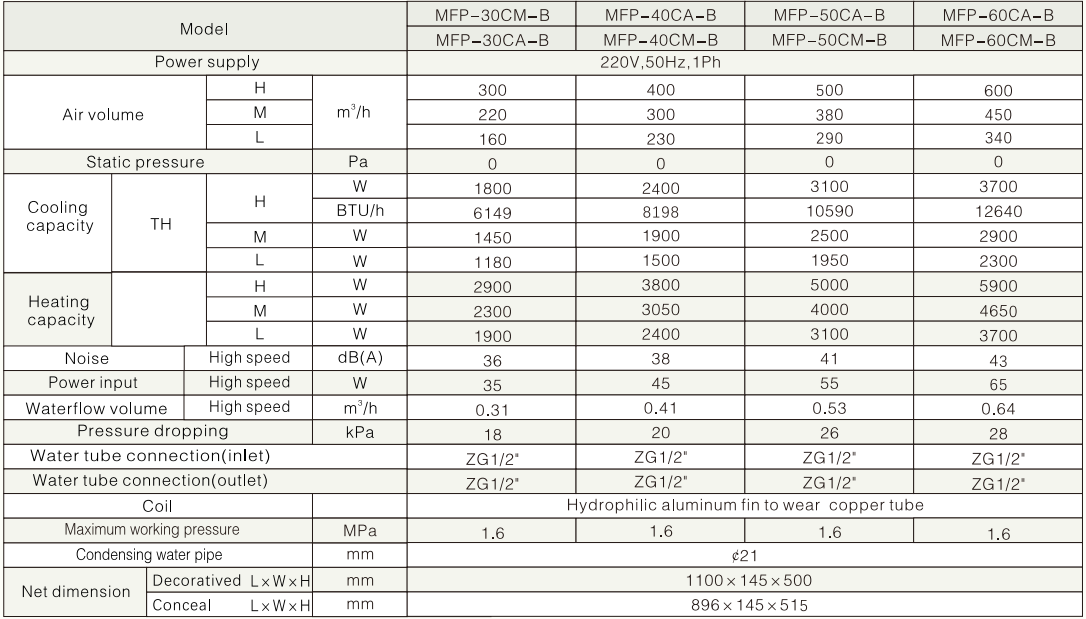
Choosing a dependable HVAC climate control solution requires understanding your operational scale. FCUs strictly handle localized temperature adjustments. They condition small, individual zones like a single office or hotel room. In contrast, Air Handling Units (AHUs) condition and distribute air across entire buildings. AHUs serve massive open-plan floors or interconnected zones. The FCU provides micro-level precision. The AHU handles macro-level volume.
Ventilation differences remain a critical engineering distinction. Traditional FCUs only recirculate existing indoor air. They pull air from the room, cool it, and blow it back out. They do not naturally introduce fresh oxygen. You must pair them alongside a separate fresh air system. AHUs operate differently. They actively process substantial volumes of outside makeup air. They filter, temper, and mix this outdoor air before sending it throughout the ductwork.
Decentralization offers major advantages for maintenance. A building utilizing multiple FCUs enjoys a decentralized footprint. This provides high granularity. If one unit breaks, only one room suffers. You can repair it locally. Conversely, an AHU requires a massive, centralized mechanical room. It operates as a single point of failure. If the main AHU motor dies, the entire building loses airflow. However, AHUs allow maintenance personnel to service the equipment entirely outside occupied spaces.
Noise heavily impacts occupant comfort. We evaluate sound using Noise Criteria (NC) ratings. Acceptable NC ratings vary by environment. Luxury hotel rooms demand whisper-quiet operation, typically around NC-30. Industrial spaces or busy corridors tolerate NC-40 or higher. Engineers must review the casing insulation carefully. Thicker, high-density acoustic foam attenuates motor hum effectively. Selecting oversized units running at low fan speeds also reduces noticeable air velocity noise.
Older units rely on standard Alternating Current (AC) motors. These motors operate at fixed, rigid speeds. They waste considerable electricity. Modern specifications mandate Electronically Commutated (EC) motors. EC motors utilize variable speed technology. They ramp up or down seamlessly based on real-time room demands. This drastically reduces energy draw. The return on investment for EC motors is rapid. They operate quieter, last longer, and cut utility bills significantly.
A standalone machine cannot optimize an entire building. Modern setups demand deep compatibility alongside existing Building Management Systems (BMS). Engineers evaluate units based on their communication protocols. BACnet and Modbus represent the industry standards. Seamless integration allows facility managers to monitor thousands of terminals from one dashboard. Pairing units alongside smart thermostats unlocks predictive maintenance. The system flags dirty filters or struggling motors before total failure occurs.
Harsh environments destroy cheap materials quickly. Coastal buildings deal continuously with corrosive salt air. Heavy commercial spaces face constant vibrations. Specifying high-quality coil fin materials prevents early degradation. Many engineers insist upon epoxy-coated fins to resist corrosion. Furthermore, you must assess the structural integrity of the drain pan. Flimsy plastic pans crack under thermal stress. High-grade stainless steel pans ensure lifelong durability and prevent catastrophic indoor leaks.
Water damage remains the largest risk factor during operation. As coils cool humid air, they generate liters of water daily. If algae or dust clogs the primary drain line, the pan overflows quickly. This ruins expensive drop ceilings and carpets below. Professional installations mandate secondary drain pans. We strongly recommend installing electronic float switches. If water levels rise dangerously high, the switch instantly shuts off the cooling valve. Proper trap design also prevents sewer gases from backing up.
Ongoing operational costs depend entirely upon physical access. Facilities staff must perform regular filter replacements and coil cleanings. If architects hide units behind solid drywall, routine maintenance becomes impossible. You must mandate unhindered access panels directly below the equipment. The panels must open easily without specialty tools. When maintenance is difficult, technicians skip it entirely. This leads to clogged coils, frozen pipes, and early motor burnout.
Modern building codes strictly govern indoor air quality. Airtight contemporary buildings trap carbon dioxide and volatile organic compounds quickly. Specifying isolated recirculation units in these spaces violates safety codes. You must follow ASHRAE Standard 62.1 carefully. Engineers solve this by pairing local terminals alongside a Dedicated Outside Air System (DOAS). The DOAS pumps pre-conditioned fresh air directly into the room. This ensures legal compliance while the local unit handles temperature loads.
Hydronic systems require precise water distribution to function properly. Water naturally takes the path of least resistance. Units closest to the central pumps easily over-pressurize. Units at the far end of the building starve for chilled water. This causes massive temperature imbalances. We solve this by installing Pressure Independent Control Valves (PICVs) on every unit. PICVs dynamically regulate flow regardless of system pressure fluctuations. They ensure perfect water balancing across the entire loop.
Specifying the perfect localized cooling strategy requires careful mechanical calculation. You must start by finalizing accurate capacity requirements based on room usage. Next, determine your absolute architectural constraints. Decide early if the design supports concealed ceiling units or requires exposed floor consoles. You should mandate high-efficiency components across the board. Insist upon EC motors and smart BMS integration to guarantee long-term operational savings.
Avoid finalizing procurement based on hardware costs alone. You must consult directly with a qualified MEP engineer or specialized HVAC vendor. They will accurately model the exact thermal load calculations for your unique spaces. They will also verify hydraulic balancing requirements before any equipment arrives on site. Proper planning eliminates destructive water leaks, silences unwanted noise, and maximizes total system efficiency.
A: A well-maintained commercial unit typically lasts between 15 and 20 years. Consistent filter changes and routine coil cleanings prevent motor strain. Neglected units operating with clogged filters often fail within ten years due to overheating.
A: Traditional units do not bring in fresh outside air. They strictly recirculate and condition existing indoor air. To meet ventilation standards, engineers must pair them with a separate makeup air system, like a DOAS.
A: Commercial applications generally require filter replacements every three to four months. High-traffic areas or industrial spaces might need monthly changes. Residential units usually operate fine with bi-annual filter replacements.
A: An FCU is simply a terminal distribution device. It requires a central plant (like a chiller or boiler) to generate hot or cold water. A heat pump is a primary generation source. It mechanically transfers heat from the outside environment to generate its own heating or cooling.